

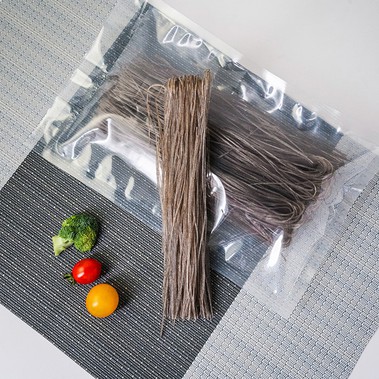
Dry Shirataki Seaweed Noodles
Dry shirataki seaweed noodles are a healthy food that combines the characteristics of seaweed and konjac. It is mainly made of konjac, processed into noodles through a special process, and incorporates seaweed ingredients. It not only retain the original high dietary fiber and low calorie health characteristics of konjac, but also further enrich its nutritional ingredients through the addition of seaweed, such as iodine, alginate, multiple vitamins and minerals.
Product Details
What is Dry Shirataki Seaweed Noodles?
Dry shirataki seaweed noodles are a unique food made by processing konjac into noodles and adding seaweed flavor or ingredients. As a perennial herb, konjac is rich in glucomannan and is a high-quality dietary fiber source that is low in fat, sugar, calories, and cholesterol. Konjac noodles not only retain the high-fiber and low-calorie characteristics of konjac, but also increase satiety and assist in weight loss. The addition of seaweed also increases nutrients such as iodine and alginate, further enhancing its nutritional value. This food combines the umami taste of seaweed and the chewy taste of konjac, bringing consumers a new eating experience.
What are Advantages of Our Product?
Unique flavor
Our product use konjac as the main raw material and incorporate the flavor of seaweed. It is not only nutritious, but also brings consumers a unique and fresh experience.
Minerals and vitamins
As a marine plant, seaweed is rich in a variety of minerals and vitamins, such as iodine, calcium, iron and multivitamins. These nutrients are retained in our product , further enhancing the nutritional value of the product.
Gluten-free
Our products are made of konjac and do not contain gluten, making them an ideal choice for gluten-free diets. For people who need gluten-free food, konjac noodles are an ideal staple food substitute.
Rich in dietary fiber
Konjac noodles are rich in dietary fiber such as glucomannan, which helps promote intestinal peristalsis and improve digestive function. It is an important substance for maintaining intestinal health.
Multiple cooking methods
It can be made by boiling, frying, cold mixing, etc., which is convenient and fast. Consumers can choose the appropriate cooking method according to their taste and needs.
Easy to store
As a dry noodle product, it is very easy to store and carry. Whether at home or on the go, you can easily enjoy this delicious dish, bringing you a wonderful experience.
Who is suitable to Eat Our Product?
Healthy diet seekers
Dry shirataki seaweed noodles are low in calories, low in fat, and high in fiber. They conform to modern healthy eating concepts and are a must-have delicacy for many people.
Those who control weight
Konjac noodles are often used as a supplementary food for weight loss meals or weight control due to their low calories and high satiety.
Vegetarians or plant-based dieters
Our product do not contain animal ingredients and are suitable for vegetarians or people who pursue a plant-based diet. Its rich nutritional ingredients can meet the body's needs for a variety of nutrients.
People who need iodine
Seaweed is rich in iodine, which is one of the essential trace elements for the human body. Eating a moderate amount of dry shirataki seaweed noodles can help meet the body's needs for iodine.
How to cook it?
Preparation
It need to be soaked or cooked before eating. Generally speaking, soak the dried konjac noodles in warm water for a period of time (10-15 minutes) until they become soft; or directly put the dried konjac noodles into boiling water and cook them (8-10 minutes), and control the cooking time according to personal taste. After that, you can season and match them according to your personal preferences, such as adding vegetables, meat and other ingredients to make soup noodles, mixed noodles and other delicacies.
Cold noodles
1. Soaked konjac noodles: Boil the dry shirataki seaweed noodles in boiling water, then remove them, rinse them with cold water several times, and drain the water.
2. Prepare side dishes: Prepare appropriate amounts of vegetable ingredients, such as shredded carrots, shredded cucumbers, etc., as well as seasonings such as soy sauce, vinegar, minced garlic, chili oil, etc.
3. Enjoy: Put the seaweed konjac noodles and vegetable ingredients in a large bowl, add appropriate amounts of seasonings, mix well and enjoy
Konjac noodle soup
1. Soak konjac noodles: Soak the dried konjac noodles in boiling water until they become soft and have no hard core. After soaking, rinse with clean water, drain and set aside.
2. Prepare broth or water: If you use broth, you can cook it in advance and filter out impurities to keep the broth clear and delicious.
3. Cooking noodles: Add broth or water to the pot and boil the water. Put the soaked konjac noodles into the pot. Cook for 2-3 minutes according to personal taste requirements.
4. Add ingredients and seasonings: During the cooking process of konjac noodles, you can add the prepared ingredients such as vegetables, meat, soy products, etc. at the right time. According to personal taste, add appropriate amount of salt, light soy sauce, pepper and other seasonings.
5. Enjoy:Pour the cooked konjac noodles into a bowl, and sprinkle with chopped green onions, coriander, etc. to enhance the flavor according to personal preference.
Precautions for Consumption to Eat Dry Shirataki Seaweed Noodles

1. When the dry shirataki seaweed noodles are soaked, the color of the water will turn purple-red, which is the normal color of anthocyanins in seaweed and does not affect consumption.
2. Acid-base changes of anthocyanins: After acidic seasonings are added to seaweed konjac noodles, the color may turn dark red, and after alkaline seasonings are added, it may turn dark blue. This is a normal phenomenon and does not affect consumption.
3. Although konjac noodles are rich in dietary fiber, which helps promote intestinal health and control weight, excessive consumption may increase the burden on the gastrointestinal tract and cause abdominal distension, abdominal pain and other discomfort.
4. People who are allergic to konjac or seaweed should avoid eating dry shirataki seaweed noodles to avoid allergic reactions.
5. When purchasing it, you should pay attention to the shelf life and production date of the product to avoid eating expired or spoiled products.
FAQ
Q: What is the healthiest noodle?
Q: Are shirataki noodles good for you?
Q: How to cook dry shirataki noodles?
Q: What are shirataki noodles made of?
Q: Can l eat expired konjac noodles?
Q: Are seaweed noodles healthy?
Hot Tags: dry shirataki seaweed noodles, China dry shirataki seaweed noodles manufacturers, suppliers, factory, Dried Konjac Shirataki Noodles, low carb glucomannan noodles, dried konjac noodles
Send Inquiry
