

Dry Shirataki Noodles
What is Dry Shirataki Noodles?
As a leading Dry shirataki noodles supplier, we make various of shirataki noodles for customers to choose from. It's made from Konjac flour, tapioca flour or potato flour. It's kind of a low carb pasta or noodle substitute, high in fiber and low in calories. Shirataki noodles is primarily made from konjac, a root vegetable native to southeast asia. This food has a lot of great health benefits, thus earning the nicknames “miracle noodles” and “skinny noodles”.
Advantages of Dry Shirataki Noodles
Gut health
The dietary fiber in dry shirataki noodles serves as a prebiotic. This promotes the growth of good bacteria, and this would support better gut health. Prebiotics also decrease swelling and relieve stress.
Helps patients with the polycystic ovarian disease
The high contents of glucomannan fibers in dry shirataki noodles may help to lower the insulin spikes in the body. Glucomannan can also lower fructosamine levels, a marker that is used to measure healthy blood sugar levels.
Lowers cholesterol levels
The fiber in dry shirataki noodles also helps in lowering cholesterol levels in the body. The fiber appears to have some beneficial effects on total cholesterol. This includes triglycerides, low-density lipoproteinscholesterol, body weight, and more.
Great for diabetes
People with diabetes will also benefit from dry shirataki noodles because they can aid in stabilizing the fluctuations of blood sugar levels. With the presence of the glucomannan fibers in the noodles, the digestion of food slows down and controls the release of glucose.
-
![Healthy Vegan Noodles]()
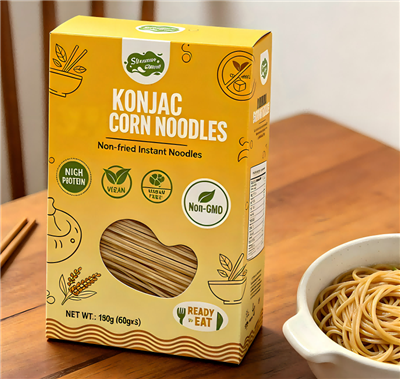
We recommend trying Konjac Corn Noodles as a healthy vegan noodles to traditional wheat one. Unlike typical wet konjac noodles, these dry noodles can be easily rehydrated with hot water. Mainly made
-
![Konjac Oat Fiber Noodles]()
Konjac oat fiber Noodles are high-fiber, whole-grain noodles crafted from a carefully formulated blend of natural ingredients, including naked oat flour, edible pea fiber, and konjac powder. These
-
![Buckwheat Konjac Noodles]()
Consuming buckwheat konjac noodles increases protein and fiber intake while offering a delicious taste. This provides more comprehensive nutrition, making it well-suited for the health management
-
![Dried Konyaku Shirataki Noodles]()
Dried Konyaku Shirataki Noodles
Dried konyaku shirataki noodles are a nutritious, healthy and delicious noodle food suitable for all kinds of people with short cooking time.
-
![Dry Shirataki Seaweed Noodles]()
Dry shirataki seaweed noodles are a healthy food that combines the characteristics of seaweed and konjac. It is mainly made of konjac, processed into noodles through a special process, and
-
![Dried Konjac Shirataki Noodles]()
Dried Konjac Shirataki Noodles
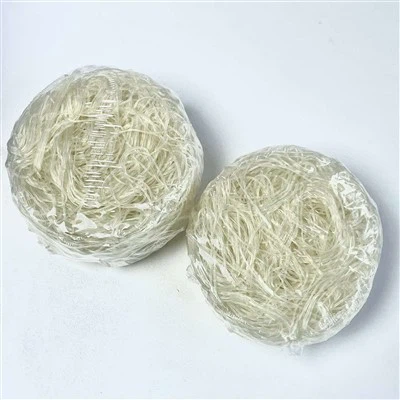
Dried Konjac shirataki noodles are made from Konjac flour, potato flour and water. It looks like traditional vermicelli, but takes much shorter time to get it cooked.The glucomannan in the Konjac




Why Choose Us?
Konjac Cultivation Base
We have our own konjac cultivation base in Sichuan, ensuring a consistent supply of high-quality konjac flour. This vertical integration allows us to control each step of the production process, from planting to processing.
Professional R&D Team
Our R&D team has been working in this industry for more than 10 years. They always create a diverse range of konjac-based products that meet the evolving needs of our customers worldwide.
State-of-the-Art Production Facilities
We are equipped with advanced production equipment, 16 automatic productions in total. These cutting-edge equipment enables us to produce konjac products with exceptional high efficiency and safety.
Comprehensive Quality Assurance
We have quality assurance and traceability system that complies with international food safety regulations. It helps us tracking our konjac products from the farm to the table.
How to Cook Dry Shirataki Noodles
While zoodling your veggies can make for delicious, nutrient-dense pasta, some days you just want the ease of tossing some noodles in a pan, ready to go. If you’re wondering how to make shirataki noodles, don’t worry—they’re about as easy as it gets.
When preparing these keto-friendly noodles, you will likely notice an odd or fishy odor when you first open your package of noodles. Fear not, the noodles themselves are tasteless, and some quick but essential prep work will take care of the odor.
The noodles come packaged in water, so first drain and rinse them thoroughly with clean water in a colander.
Start some water at a low boil, and toss the rinsed noodles in for just 2-3 minutes. Rinsing and boiling the noodles will take care of the fishy smell and improve their consistency.
After that, dry roast the noodles in a pan with no oil for about a minute to heat off the extra water and give them more of a traditional pasta mouth-feel.
When you make shirataki noodles at home, they’ll take on the flavor of whatever you mix them with, so have some fun experimenting in the kitchen. Toss them with the sauce and toppings of your choice. There are a ton of shirataki noodle recipes out there that can serve as a starting point for you to expand off of.

Shirataki Noodles Nutrition Facts
As far as food labels are concerned, shirataki noodle nutrition facts are fairly straightforward. After all, traditional shirataki noodles are made entirely from water and fiber from the konjac yam (plus a little lime to help the fiber stay solid), so you won’t have much to read through.
This fiber is called glucomannan, a soluble fiber that can help boost your digestion and curb hunger. Glucomannan is available as a health supplement, and studies back its potent ability to curb hunger hormones, fuel good gut bacteria as a prebiotic and keep you regular.
The glucomannan fiber in shirataki noodles can also support weight management and boost your cardiovascular health by improving cholesterol and blood sugar.
How to Add Shirataki Noodles to Your Keto Diet
Texture-wise, they’re slippery and slick, sort of like a cross between spaghetti and aloe vera gel, and they are virtually flavorless on their own. In my opinion, their texture and ability to soak up flavors add another level of enjoyment to my keto meals.
There are many varieties of shapes and flavors — some are made only with konjac plant, others with added tofu or other proteins and carbohydrates intended to give them a specific texture that mimics more traditional noodles.
I’d suggest sticking to the pure shirataki noodles — the ones that are made from the konjac plant without anything added. The brand I use the most is miracle noodle. They make so many varieties of shirataki noodles that you’ll easily be able to find one that works best for you.
Each noodle variety can be added to the diet in many ways that can fit any lifestyle. When I am too tired to cook, for example, i’ll quickly rinse, drain, and dry the noodles and mix them with some leftover tomato sauce and meatballs (like these). This is a great way to have a quick and delicious meal in 10 min or less.
You can also combine the shirataki noodles with any other sauces or curries that you like. In the mood for some thai food? Whip up some red coconut curry and throw some noodles in. Want some noodles in your keto-friendly soup? Mix in some shirataki noodles.
However, before you start experimenting, don’t forget to prepare them properly. When I first started using shirataki noodles, I dumped them straight from the bag into some tomato sauce, and it turned my delicious sauce into a slimy, slippery, and bland mess. What was I missing?
I didn’t consider the fact that the shirataki noddles were already saturated with water. So, instead of soaking up the sauce, the noodles just sat there without adding anything to the dish. What I should have done was take the time to prepare the shirataki noodles for culinary perfection.
How to Keep Dry Shirataki Noodles From Having That Super Rubbery Texture
When cooking up some dry shirataki noodles, also called konjac noodles, you may not want to cook them directly out of the package. Although tossing the japanese noodles into some boiling water may be the quickest and easiest way of cooking them up, it could leave your dish with a rubbery, tough texture — not at all what you'll want when you're adding them into a bowl of soup.
Fortunately, there's an easy way to prevent any unpleasant textures in your noodles. Before you even cook your noodles, rinse them out right after taking them out of the package. The noodles are made from konjac yams, and rinsing them will help remove some of the excess starch, which can contribute to the stickiness of the noodles.
It will also help eliminate some of the smell. That the noodles often have a distinct smell when fresh from the package, which can be removed when rinsed out. Once the asian noodles are squeaky clean, you can then boil them to cook them up as you would normally prepare them.
Once you've finished boiling the dry shirataki noodles, there is one more step you can take to keep them from getting rubbery. Drain the water from the noodles, then add them into a skillet or pan on their own — no added oils needed. Allow the noodles to fry in the pan on the stovetop for about five to seven minutes. This added heat will draw out extra moisture from the noodles, but it won't dry them out completely. Less moisture in the noodles will make for a better texture.
Once you've cooked your dry shirataki noodles and removed the excess moisture to prevent that rubbery texture, they're ready to add into your favorite noodle dishes. To amplify the flavor of the noodles, you can combine them with sauces, broths, and any of your preferred toppings. Or, you can add them into stir fries — like this shirataki noodle stir-fry with broccoli, carrots, mushrooms, and red pepper.
Features of Dry Shirataki Noodles
Keto friendly
Dry shirataki noodles are both low in calories and digestible carbohydrates, which means they're allowed on many healthy-eating recipes. They are gluten free and vegan food.

May lower blood sugar
Glucomannan has been shown to help lower blood sugar levels in people with diabetes and insulin resistance, viscous fiber in glucomannan will delay stomach emptying, then blood sugar and insulin levels rise more gradually as nutrients are absorbed into your bloodstream.
Weight loss
Because konjac root are full of glucomannan, which gives you a long interval for starving, ending up eating less.
May lower cholesterol
Researchers shown that glucomannan increases the amount of cholesterol excreted in stool so that less is reabsorbed into your bloodstream.
Future Trend of Dry Shirataki Noodles
Good dieting patterns
With the emphasis on smart dieting, there is a growing interest in low-calorie, low-starch, and gluten-free food sources, and dry shirataki noodlesas an alternative sensible option that addresses these concerns and is favored in the market.
Interest in dietary expansion
Individuals have a growing interest in expanding their diets and expect to experiment with different preferences and flavors of pasta. Dry shirataki noodles are flexible and can be prepared in a variety of ways to address various preferences, such as tossed, roasted, and soup noodles, and are therefore widely viewed.
Vegetarian enthusiasts and special dietary necessities
With the rise of vegetarianism and unique dietary requirements, dry shirataki noodles are favored as a plant-based gluten-free food by vegetarians and individuals with special dietary necessities.
Provides food industry interest
The restaurant industry is an important consumer of the konjac noodles market. With the quest for quality food, more and more cafes, hot pot restaurants, and dumping cafes are deciding to serve dry shirataki noodles as an integral part of their dishes to fulfill the consumer's demand for good food.
Why do Dry Shirataki Noodles Smell Like Fish
The fishy odour is due to the calcium hydroxide as a coagulant agent in the manufacturing process.They're packaged in fishy-smelling liquid, which is actually plain water that has absorbed the odor of the konjac root. Konjac food has three kinds of preservation liquid: Acid/alkaline/neutral, alkaline and acidic bag after water can be eaten directly, neutral words can be opened bag ready to eat, preservation liquid can not be eaten directly.
So what's the purpose of this fishy preserving liquid in the noodles
In the first pack of 270 grams of dry shirataki noodles, the solid content of the noodles is 75%, and the preservation liquid accounts for 25%.
Easy to keep. Putting konjac in water can isolate the outside air of konjac and reduce contact with bacteria in the air, which is beneficial to prolong the storage time of konjac.
Keep konjac fresh. Konjac can be put into water to reduce the evaporation of water, also can let konjac fully absorb water, do not let it dry, maintain the taste of konjac.
How do I get rid of fishy smell in dry shirataki noodles
It's important to rinse them very well for a few minutes under fresh, running water. This should remove most of the odor.Or you can put some vinegar soak, also can eliminate the smell of konjac noodles in the preservation liquid.
Rinse with water several times,cook in boiling water: Boil for 2-3 minutes. The unique smell will disappear and the texture will be more jiggly and tender.
Certifications


Our Factory
It offers a diverse range of healthy konjac products, including conventional and organic konjac flour, konjac pasta and rice, dried shirataki noodles and rice, ready-to-eat konjac meals(instant konjac cup noodles), konjac snacks, konjac vegan food, konjac dietary fiber. Konjac boba pearls, and konjac jelly.


FAQ
As one of the most professional dry shirataki noodles manufacturers and suppliers in China, we're featured by quality products and low price. Please rest assured to buy bulk cheap dry shirataki noodles for sale here from our factory. Contact us for customized service.
Dried Konjac Shirataki Noodles, dried konjac noodles, low carb glucomannan noodles