

What Are Shirataki Konjac Pasta?
Jul 01, 2026

What Are Shirataki Konjac Pasta?
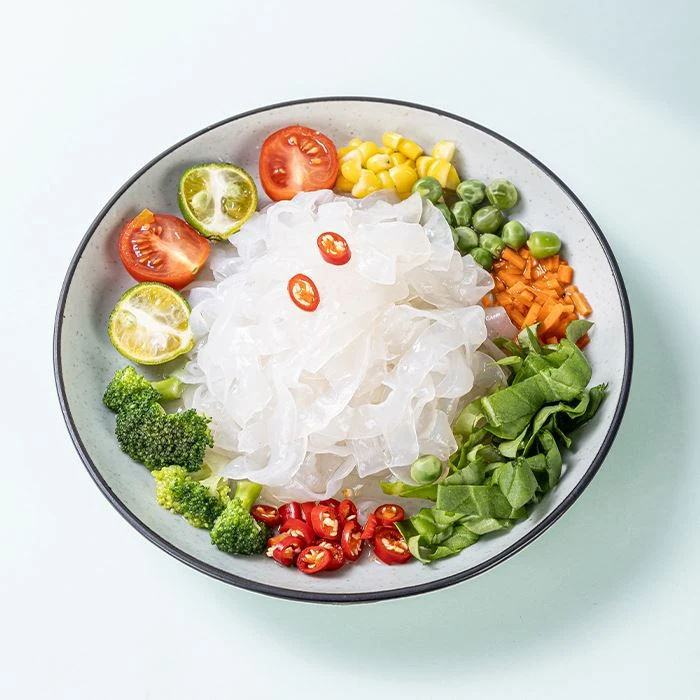
Shirataki Konjac Pasta, also named Konjac noodles, are a type of traditional Japanese noodle made almost entirely from water and glucomannan, a soluble dietary fiber extracted from the root of the konjac plant. The name "shirataki" means "white waterfall" in Japanese - a reference to their translucent, glassy appearance.
With virtually only 6 calories per 100g, 0 net carbs,0 sugar, 0 fat, 0 Sodium, and 0 digestible starch, shirataki noodles have become great popularity foods in the world's low-carb, keto, and diabetic-friendly diet communiton.
What Are Shirataki Konjac Pasta Made Of?
The ingredient list for classic shirataki noodles is very simple. No wheat. No additives. No Preservatives. No gluten.
|
Ingredient |
Purpose |
|
Konjac glucomannan flour |
Main structural fiber, forms the gel network of noodles |
|
Water |
Accounts for over 96% of the noodle composition |
|
Calcium hydroxide |
Solidifies the gel structure and provides mild elasticity |
Some modern variations add:

Kale shirataki Pasta
Blended with kale flour for firmer, chewier texture, just like classic wheat pasta.

Oat fiber shirataki Pasta
Blended with oat fiber for improved texture
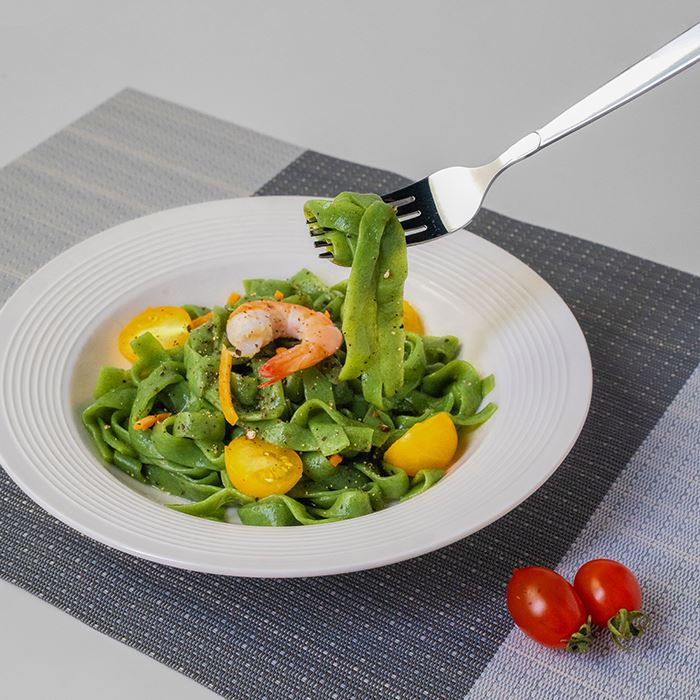
Spinach konjac Pasta
Made with konjac flour and spinach flour for a more comprehensive flavors

Seaweed Konjac Pasta
Blend of konjac with seaweed powder, with natural marine nutrition.
What Is The Origin Of Shirataki Konajc Pasta?
Shirataki Pasta originate from Japan, boasting a 2,000-year-long tradition of eating this food. The konjac plant itself is native to Southeast Asia and has been cultivated in China's Sichuan, Yunnan, and Guizhou provinces for centuries.
Nowadays, China is the No.1 producer and exporter of konjac in the world. Sichuan is the key growing region of konjac. That's why factories like Yijiahe have such a great advantage-they get premium konjac flour right from the source and allowing strict, comprehensive quality control covering every step from farmland to processing plant.

What Do Shirataki Pasta Taste Like?
|
Category |
Details |
|
Texture |
Firm, slightly chewy, rubbery |
|
Natural Flavor |
Subtle light earthy konjac flavor; easily eliminated by rinsing or dry pan-toasting |
|
Performance After Cooking |
Absorb sauces and broths fully, neutral base that highlights seasoning rather than offering strong original flavor. |
First-time user tip: Always rinse shirataki pasta thoroughly under cold running water, then pan-toast them dry in a skillet over medium heat for 2-3 minutes before adding sauces. It eliminates lingering odors and significantly boosts texture.
What Shapes Do Shirataki Konjac Pasta Come In?
Shirataki noodles are manufactured in a wide variety of shapes to suit different culinary applications:


Shirataki Pasta vs. Regular Noodles:
A Quick Comparison
|
Nutrient Item |
Shirataki Pasta(100g) |
Regular Pasta (100g) |
Rice Noodles (100g) |
|
|
Calories |
~6kcal |
~350 kcal |
~360 kcal |
|
|
Net Carbs |
~0.1g |
~70g |
~80g |
|
|
Protein |
~0g |
~12g |
~7g |
|
|
Fiber |
~2.7g |
~2g |
~1g |
|
|
Gluten |
None |
Yes |
None |
|
|
Glycemic Index |
~0 |
~50–80 |
~61–90 |
Who Eats Shirataki Konjac Pasta?
Shirataki pasta are a match for a wide range of consumers:
|
Target Group |
Core Benefit |
|
Keto and low-carb dieters |
Ultimate zero-carb alternative to traditional pasta |
|
Diabetics |
Supports balanced blood sugar levels post-meal |
|
Weight loss program followers |
Glucomannan fiber delivers lasting satiety with nearly zero calories |
|
Vegetarians & vegans |
100% plant-based, no animal-derived components |
|
Gluten-free dieters |
Naturally gluten-free; Manufactured in dedicated facilities to prevent cross-contamination |
|
Halal & Kosher consumers |
Certified compliant products are supplied |
|
Health-conscious general consumers |
A low-calorie lighter noodle choice ideal for daily diet |
Are Shirataki Pasta the Same as Konjac Noodles?
Yes! They are the same product, just called by a variety of names from region to region:
Shirataki: the Japanese traditional name ,widely used in the Western
Konjac noodles: the general English title highlighting its raw material
Miracle noodles:a popular brand name that became synonymous with the product
Zero calorie noodles: marketing-focused names emphasizing calorie content
Glucomannan noodles: scientifically accurate name derived from core active dietary fiber
Konnyaku noodles: Japanese term for the same product; konnyaku describes coagulated konjac gel
Moyu Noodles:the official term for the plant in Chinese mainland, a native Chinese name.
Summary
Shirataki Konjac Pasta is the premium functional food made from just two key ingredients. Boasting near-zero calories, zero net carbs and zero sugar, they fully satisfy cravings for traditional noodle textures and taste. Rooted in a 2,000-year-old Japanese culinary heritage and sourced from China's prime konjac-growing regions, they stand among the most thoroughly science-backed functional foods on the market today.
Ready to explore wholesale shirataki Konjac Pasta?