


Is the truth behind konjac 0 calories true science or just a gimmick?
Aug 19, 2025
Is the truth behind konjac's "0 calories" claim true science or just a gimmick? Let's find out in this article.

Let's uncover its scientific secrets!
Konjac is a perennial herb native to East Asia. Its underground tubers are oblate and rich in a unique soluble dietary fiber called glucomannan. This component, when exposed to water, expands up to 80 times its original volume, forming a strong gel, making it a valuable raw material with both edible and industrial applications. Processed konjac products (such as the block-like form shown in the image) are typically translucent off-white to light brown in color, with a flexible and elastic texture. This natural color, achieved through processing, makes them safe to eat and allows them to fully absorb the flavor of broths. They are often used in Chinese stews, Japanese oden, and cold dishes.
1. Glucomannan: Indigestible Dietary Fiber.
Konjac's main component is a water-soluble dietary fiber called glucomannan, which accounts for 60%-80%. It can absorb 50 times its own weight in water, swells into a gel in the stomach, and is excreted directly from the intestines without contributing calories. It also absorbs fat and cholesterol in the intestines, helping the body reduce calorie absorption.

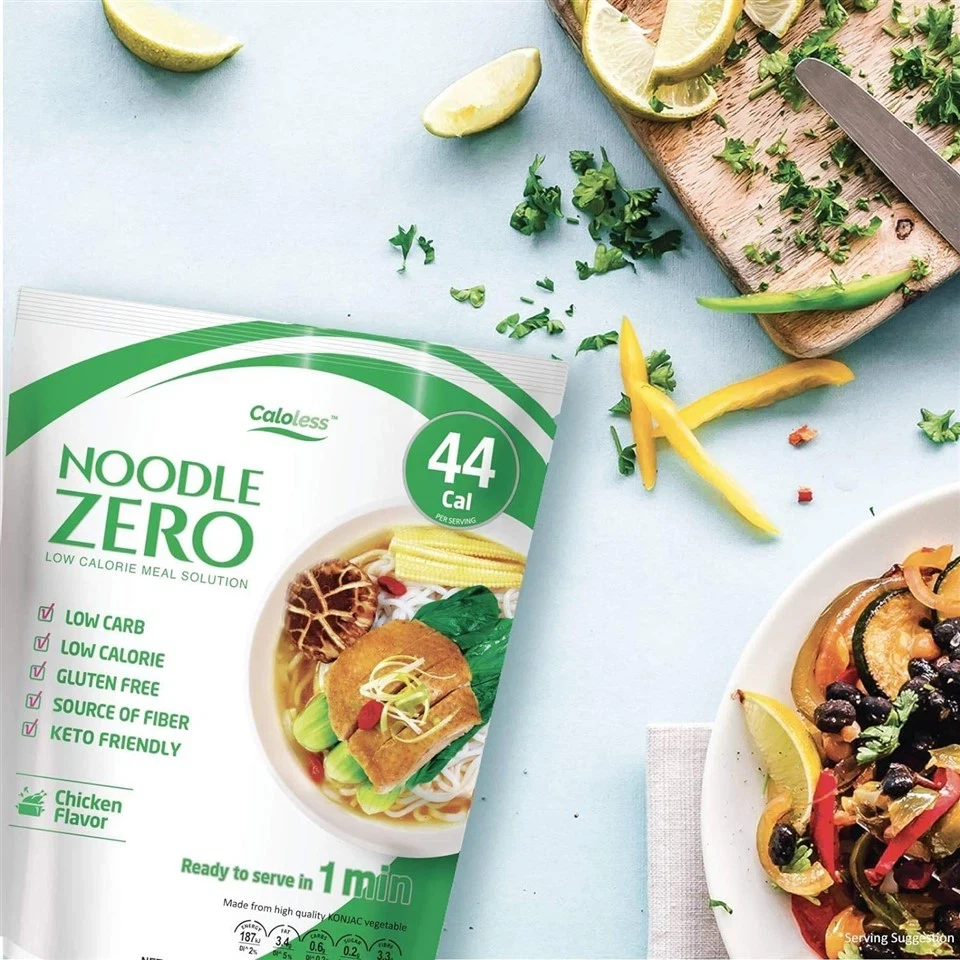
2. 96% water! The heat is diluted to almost nothing.
Konjac products contain over 96% water, equivalent to dissolving a small amount of glucomannan in a large amount of water. For example, 100 grams of konjac noodles contain only 44 calories, making them even lower in calorie density than eggplant or tomatoes.
3. Fat ≈ 0, and the carbohydrate structure is also special.
Konjac contains only 0.1g of fat per 100g, and its carbohydrates are mainly dietary fiber, rather than the starch found in ordinary staple foods. This unique combination makes it an excellent choice for those in need of weight management.

Precautions for eating Konjac
1. Long-term meal replacement consumption affects health
Konjac contains almost no essential nutrients, such as protein and vitamins. Replacing it solely with a staple food can lead to nutritional deficiencies and increase health risks, such as hair loss. It's recommended to pair it with other foods to ensure a balanced diet.
2. The following individuals should use this product with caution
Those with weak gastrointestinal tract: Excessive consumption may cause bloating and diarrhea.
Those with hypoglycemia: The blood sugar-lowering effects of glucomannan may exacerbate dizziness and hand tremors.


